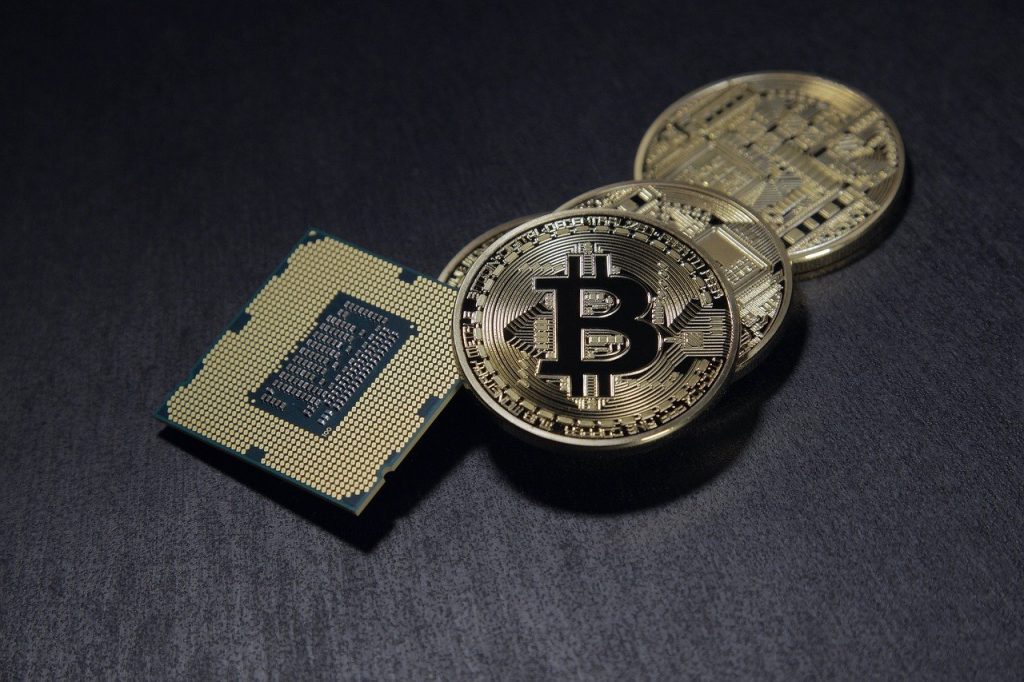
Litecoin (LTC) is one of the oldest and most recognizable cryptocurrencies, created in 2011 as the “silver equivalent of Bitcoin”. It was created by Charlie Lee with the intention of transferring value on the blockchain network faster and cheaper. Litecoin retains many of Bitcoin’s features, such as decentralization and limited supply, but introduces technical improvements that allow for faster transaction processing and lower fees. Investing in Litecoin attracts those looking for a cryptocurrency with an established market position that combines stability with the potential for value growth. LTC is used as both a digital means of payment and an investment asset. In this article, we will discuss Litecoin as an investment, methods of acquiring it, investment strategies, and the risks and challenges of investing in this cryptocurrency.
Litecoin – what it is and how it differs from Bitcoin
Litecoin was created as a fork of Bitcoin, with several technological improvements. The most important difference is the faster block generation time – Litecoin produces a block approximately every 2.5 minutes, while Bitcoin produces a block every 10 minutes. This ensures that LTC transactions are confirmed faster and transaction fees are lower.
Litecoin uses a proof-of-work (PoW) algorithm, but uses a different cryptographic system – Scrypt instead of SHA-256, which allows for a more even distribution of computing power across the network. The maximum supply of Litecoin is 84 million tokens, which is four times the limit of Bitcoin. LTC is widely accepted as a means of payment, as well as used in online payment systems and cryptocurrency exchange platforms.
How to invest in Litecoin
Investing in Litecoin is mainly done through cryptocurrency exchanges, where you can buy LTC with fiat currencies or other cryptocurrencies. The process includes creating an account, verifying your identity, and purchasing tokens. Purchased LTC can be stored in online (hot wallet) or offline (cold wallet) digital wallets. Cold wallet provides higher security, as it is disconnected from the Internet and protects against hacker attacks.
For more advanced investors, there are financial products related to LTC, such as crypto funds, futures contracts, or brokerage platforms that allow you to trade parts of tokens. Staking and DeFi platforms are also becoming increasingly popular, where LTC can be used to earn additional passive profit.
Investment Strategies
As with other cryptocurrencies, investing in Litecoin requires a well-thought-out strategy. One of the most popular is the long-term strategy – HODL. It involves buying LTC and holding the tokens for an extended period of time, regardless of short-term market fluctuations. This strategy assumes that with the increasing adoption of Litecoin as a means of payment and its presence in the cryptocurrency market, the value of the token will increase in the long term.
The second strategy is trading – short-term buying and selling LTC in order to take advantage of the volatility of the exchange rate. Litecoin, due to its popularity and historical stability, can react to market news and global events, which creates opportunities for profits but also increases the risk of losses.
Some investors use a mixed allocation strategy, dividing capital between long-term and short-term investments, allowing them to diversify their risks and take advantage of growth potential. It is also crucial to monitor technological changes in the Litecoin network and follow market trends and regulatory activities.
Risks and challenges of investing in Litecoin
Investing in Litecoin involves several types of risks. First, it is a highly volatile market – the LTC price can rise or fall sharply, which can lead to financial losses in the short term.
Another important factor is regulatory risk. Cryptocurrencies, including Litecoin, are subject to legal regulations that vary from country to country and can affect market liquidity, the availability of LTC on exchanges, and its value.
Additionally, investors should consider technological risks such as hacking, network failures, or digital wallet errors. Competition from other cryptocurrencies, such as Bitcoin, Bitcoin Cash, or Stellar, can also affect the demand and potential increase in the value of LTC.
Litecoin (LTC) is an established cryptocurrency that combines the features of Bitcoin with faster transactions and lower fees. Investing in LTC can be attractive to those looking for a stable cryptocurrency with the potential to increase in value and practical application in digital payments. A conscious approach, choosing a strategy – HODL, trading or a mixed strategy – and diversifying your investment portfolio allow you to minimize risk and increase your chances of making profits. Litecoin can be a valuable piece of an investment portfolio, combining stability with participation in the booming cryptocurrency market.